
Introduction
For decades, the primary goal of cancer treatment was survival. Today, as more patients live longer than ever before, medicine faces a new challenge: ensuring that life-saving cancer therapies do not come at the expense of damaging the heart.
Modern oncology has transformed outcomes for millions of patients worldwide. Breakthroughs in chemotherapy, targeted therapies, immunotherapy, and radiation therapy have dramatically improved survival across many forms of cancer.
Yet these remarkable advances have also revealed an important reality. Some of the very treatments that save lives can also affect the cardiovascular system, sometimes during therapy and, in other cases, many years later.
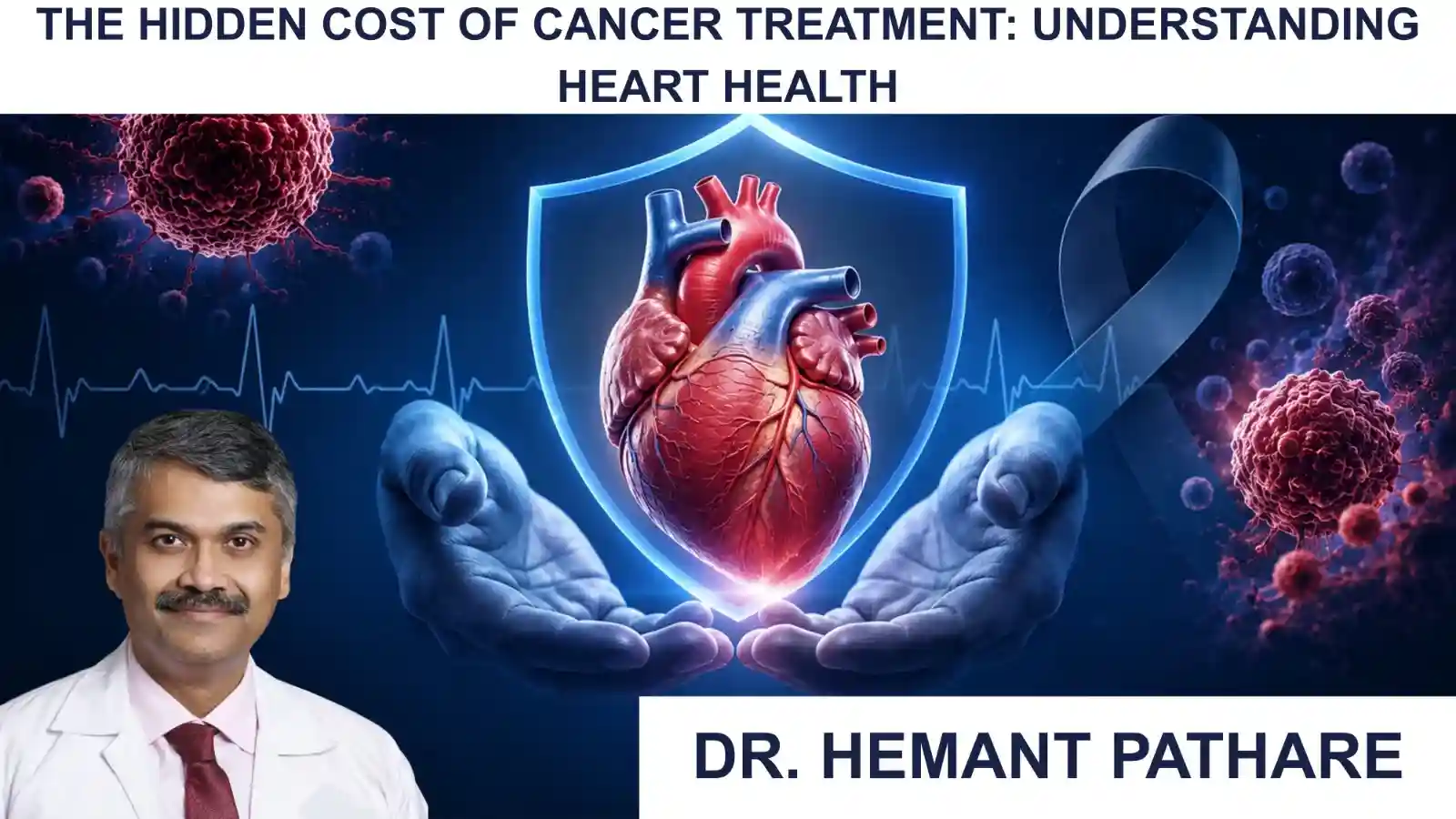
This growing intersection between cancer care and cardiovascular medicine has given rise to Cardio-Oncology, a rapidly evolving specialty dedicated to protecting the heart while ensuring patients receive the most effective cancer treatment possible.
When Life-Saving Treatments Affect the Heart
Not all cancer therapies affect the heart, but several well-established treatments carry varying degrees of cardiovascular risk.
Depending on the treatment and the patient’s underlying health, potential complications may include:
- Left ventricular dysfunction and heart failure
- Coronary artery disease
- Cardiac arrhythmias
- Hypertension
- Valvular heart disease
- Pericardial disease
- Thromboembolic complications
The likelihood of these complications depends on multiple factors, including the type of therapy, cumulative dosage, age, pre-existing cardiovascular disease, and genetic susceptibility.
Recognizing these risks early is essential, not to discourage treatment, but to manage it safely.
Understanding Cancer Therapy-Related Cardiotoxicity
One of the central concepts in cardio-oncology is Cancer Therapy-Related Cardiotoxicity (CTR-CVT), a spectrum of cardiovascular complications associated with anti-cancer therapies.
Certain anthracycline-based chemotherapies (Doxorubicin, Daunorubicin, epirubicin and idarubicin) can cause dilated cardiomyopathy and heart failure HER2-targeted agents (Trastuzumab or Herceptin, pertuzumab) reduce the heart’s pumping ability, antimetabolites (viz flurouracil and capecitabine) can cause coronary artery spasm, alkylating agents like cyclophosphamide can cause myocarditis , immune checkpoint inhibitors like pembrolizumab can cause myocarditis, tyrosine kinase inhibitors can cause hypertension and heart failure and thoracic radiation has been associated with myocardial fibrosis.
Importantly, cardiotoxicity is not always immediate. Some patients develop cardiovascular complications months or even years after completing cancer treatment.
This is why long-term cardiovascular surveillance has become an increasingly important component of survivorship care.
Early Detection Changes Outcomes
Perhaps the greatest advancement in cardio-oncology is the ability to identify cardiovascular injury before symptoms appear.
Modern surveillance combines:
- Echocardiography with Global Longitudinal Strain (GLS)
- Cardiac Magnetic Resonance Imaging (MRI)
- Cardiac biomarkers such as troponin and natriuretic peptides
- Comprehensive cardiovascular risk assessment
Detecting subtle changes early allows clinicians to introduce cardioprotective therapies, optimize cardiovascular risk factors, and, when appropriate, modify cancer treatment without compromising its effectiveness.
The goal is not simply treating heart disease. It is preventing it.
Collaboration Is the Cornerstone
Cardio-oncology is one of the clearest examples of multidisciplinary medicine in action.
Optimal patient care often involves oncologists, cardiologists, cardiac imaging specialists, cardiac surgeons, radiation oncologists, and primary care physicians working together throughout the patient’s journey.
Rather than viewing cancer and cardiovascular disease as separate challenges, this collaborative approach recognizes that successful treatment requires protecting both the patient’s life and the quality of that life.
Medicine is increasingly becoming a team effort, and cardio-oncology exemplifies this philosophy.
Innovation Is Reshaping Cardio-Oncology
Rapid advances in artificial intelligence, precision imaging, genomics, and biomarker research are transforming cardiovascular monitoring in cancer patients.
Researchers are exploring predictive models that identify patients at highest risk before treatment even begins, enabling individualized surveillance and preventive strategies.
At the same time, newer anti-cancer therapies are being developed with increasing attention to minimizing cardiovascular toxicity while preserving therapeutic effectiveness.
The future of cardio-oncology lies in predicting risk, preventing injury, and personalizing care.
Looking Ahead
As global cancer survival continues to improve, cardiovascular health will become an increasingly important measure of successful cancer care.
The next generation of cardio-oncology will likely integrate genetic profiling, AI-assisted imaging, wearable monitoring devices, and precision medicine to better understand how each patient’s heart responds to cancer therapy.
The objective is no longer simply helping patients survive cancer.
It is ensuring they continue to live with a healthy heart long after treatment has ended.
Final Thought
The greatest success in modern oncology is that more patients are surviving cancer than ever before. The next great responsibility is ensuring that survival is accompanied by long-term cardiovascular health. It would be unfortunate if the patient survived the cancer only to succumb to cardiac related problems caused by the treatment.
Cardio-oncology reminds us that treating cancer should never mean overlooking the heart. By bringing together expertise from oncology and cardiovascular medicine, we are creating a future where patients no longer have to choose between defeating cancer and protecting their heart.
Sometimes, the most meaningful victory in medicine is not only curing disease, but preserving the life that follows.
A Question Worth Reflecting On
As cancer therapies continue to become more advanced and effective, should protecting cardiovascular health become a standard part of every patient’s cancer journey from the very beginning?
Perhaps the future of cancer care will be defined not only by survival, but by ensuring that every survivor carries forward a heart that is just as strong as their hope.