
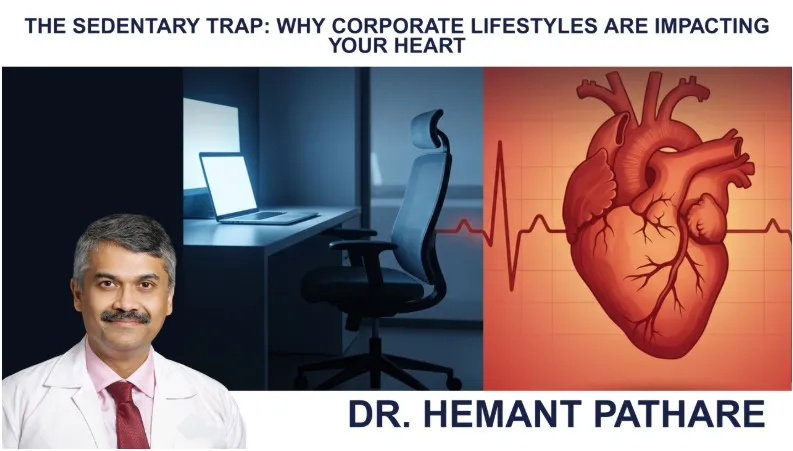
🌐 Introduction
In today’s digitally driven world, the nature of work and daily living has undergone a profound transformation. While technological advancements have enhanced productivity and connectivity, they have also introduced a less visible but significant health concern—prolonged physical inactivity.
For corporate professionals, long hours at desks, increased screen time, and limited physical movement have collectively contributed to a rise in cardiovascular risk factors. As a cardiothoracic surgeon, I am witnessing a concerning trend: younger patients presenting with conditions that were once predominantly associated with older populations.
🪑 Understanding Sedentary Behavior
Sedentary behavior refers to any waking activity characterized by low energy expenditure while in a sitting or reclining posture.
Common examples include:
- Extended desk work
- Continuous screen exposure
- Passive commuting
- Minimal engagement in physical exercise
Research indicates that individuals who sit for more than 6–8 hours daily have a significantly increased risk of cardiovascular disease, independent of their exercise habits.
🫀 The Physiological Impact on Heart Health
1️⃣ Impaired Circulation
Prolonged sitting leads to reduced blood flow, particularly in the lower extremities. This can contribute to endothelial dysfunction.
2️⃣ Metabolic Dysregulation
Sedentary lifestyles are strongly associated with:
- Insulin resistance
- Elevated blood glucose levels
- Dyslipidemia
These metabolic changes accelerate plaque formation in coronary arteries.
3️⃣ Increased Risk of Hypertension
Lack of movement reduces vascular flexibility, contributing to elevated blood pressure over time.
4️⃣ Weight Gain and Obesity
Reduced caloric expenditure combined with high-stress eating promotes central obesity.
5️⃣ Pro-thrombotic State
Extended immobility can increase the risk of clot formation.
🏢 Corporate Relevance: Why This Matters Now
Modern corporate culture often rewards prolonged engagement, inadvertently discouraging movement.
Key contributing factors include:
- Back-to-back virtual meetings
- High workload and tight deadlines
- Limited ergonomic workspaces
- “Always-on” digital connectivity
The result is a workforce that is productive—but increasingly vulnerable to chronic cardiovascular conditions.
🚨 Early Warning Signs Often Overlooked
Many professionals dismiss subtle symptoms until conditions progress.
Warning signs may include:
- Persistent fatigue
- Shortness of breath
- Intermittent chest discomfort
- Palpitations
- Swelling in lower limbs
Early detection is critical.
✅ Evidence-Based Preventive Strategies
1️⃣ Incorporate Micro-Movements
- Stand or walk for 3–5 minutes every 30–45 minutes
- Use standing desks
- Take walking meetings
2️⃣ Structured Physical Activity
- 150 minutes of moderate exercise weekly
- Strength training twice weekly
3️⃣ Optimize Workstation Ergonomics
- Proper posture alignment
- Screen at eye level
4️⃣ Monitor Key Health Metrics
- Blood pressure
- Lipid profile
- Blood glucose
- BMI
5️⃣ Stress Management
- Mindfulness
- Breathing exercises
- Adequate sleep
🏢❤️ Role of Organizations in Cardiovascular Health
Employers play a pivotal role in shaping healthier behaviors:
- Wellness initiatives
- Movement-friendly office design
- Flexible schedules
- Regular health check-ups
A healthy workforce is a productive workforce.
🩺 When to Seek Medical Advice
Individuals with the following risk factors should consider early consultation:
- Family history
- Diabetes
- Hypertension
- Smoking
- Sedentary occupation
Timely evaluation can prevent severe outcomes.
🫀 Conclusion: Reclaiming Movement for Heart Health
The digital age is here to stay—but so is our responsibility to adapt wisely. Small, consistent changes can significantly reduce cardiovascular risk.
Movement is medicine.
💭 Closing Thought
In modern corporate life, success is often measured by how long we stay connected—but true sustainability lies in how often we disconnect to move, reset, and restore.
A healthy heart is not just a personal asset—it is a professional advantage.