By Dr. Hemant Pathare
🔬 Understanding Hypertrophic Cardiomyopathy (HCM)
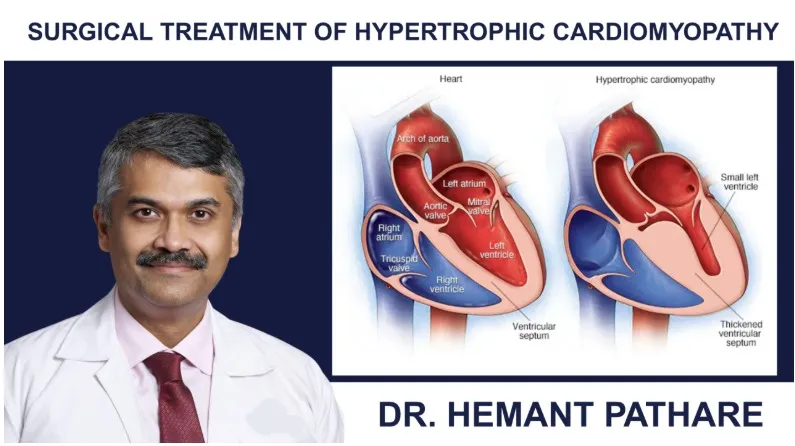
Hypertrophic Cardiomyopathy (HCM) is a genetic heart disease characterized by abnormal thickening of the ventricular septum. This thickening can obstruct blood flow from the heart.
● Prevalence: Approximately 1 in 200–500 adults
● Key Symptoms:
○Shortness of breath (Dyspnea)
○Chest pain
○Palpitations
○Syncope (fainting)
○Increased risk of sudden cardiac death
Diagnostic imaging, especially echocardiography, often reveals Left Ventricular Outflow Tract (LVOT) obstruction.
⚠️ When is Surgery Required?
Surgical intervention, specifically Septal Myectomy, is recommended under the following conditions:
● Persistent symptoms despite medical therapy (NYHA Class III/IV)
● LVOT gradient ≥ 50 mmHg (at rest or provoked)
● Severe mitral regurgitation due to Systolic Anterior Motion (SAM)
● History of syncope or unexplained cardiac arrest
🏥 Septal Myectomy – The Gold Standard
Septal Myectomy is considered the gold standard treatment for obstructive HCM.
Procedure Overview:
● Surgical removal of thickened septal muscle
● Relieves obstruction in the LVOT
Surgical Approaches:
● Transaortic Myectomy: Standard approach for subaortic obstruction
● Transapical Myectomy: Used for midventricular or apical hypertrophy

🔧 Surgical Technique
The procedure involves:
- Median sternotomy
- Use of cardiopulmonary bypass
- Cardiac arrest using cardioplegia
- Aortic incision to access the septum under the aortic valve
- Removal of 8–20 grams of hypertrophied interventricular muscle
- Intraoperative Doppler echocardiography to confirm successful relief of obstruction
📊 Outcomes of Surgery
Septal myectomy has demonstrated excellent clinical outcomes:
● >90% symptom relief in patients
● Significant improvement in NYHA class (from III/IV to I/II)
● Mortality rate <1% in experienced centers
● Long-term survival comparable to the general population
⚠️ Possible Complications
While generally safe, potential complications include:
● Conduction abnormalities (Left Bundle Branch Block is common)
● Complete heart block (rare)
● Pacemaker requirement (<5%)
● Ventricular septal defect (1–3%)
● Aortic regurgitation
🌟 Benefits Beyond Symptom Relief
Septal myectomy provides additional long-term advantages:
● Reduction in atrial arrhythmias
● Improved diastolic filling and left ventricular function
● Reduced risk of sudden cardiac death in selected patients
🔄 Alternatives & Future Directions
Emerging and alternative treatment options include:
● Alcohol Septal Ablation (catheter-based approach)
● Myosin Inhibitors (e.g., mavacamten) – promising medical therapy
● Personalized surgical planning using 3D imaging technologies
📝 Conclusion
Septal Myectomy remains the gold standard treatment for obstructive HCM. It is:
● Safe
● Effective
● Provides durable symptom relief
However, optimal outcomes depend on highly experienced surgical teams.
📌 Final Note
Advancements in surgical techniques and medical therapies continue to improve outcomes for patients with hypertrophic cardiomyopathy, offering better quality of life and long-term survival.