
An Ethical, Clinical and Preventive Perspective on Heart Health
In cardiovascular care, our responsibility goes far beyond treating blocked arteries, abnormal angiograms, or surgical outcomes. As clinicians—especially in the field of Cardiothoracic and Vascular Surgery (CTVS)—we are ethically bound to look at the patient as a whole, not merely the disease.
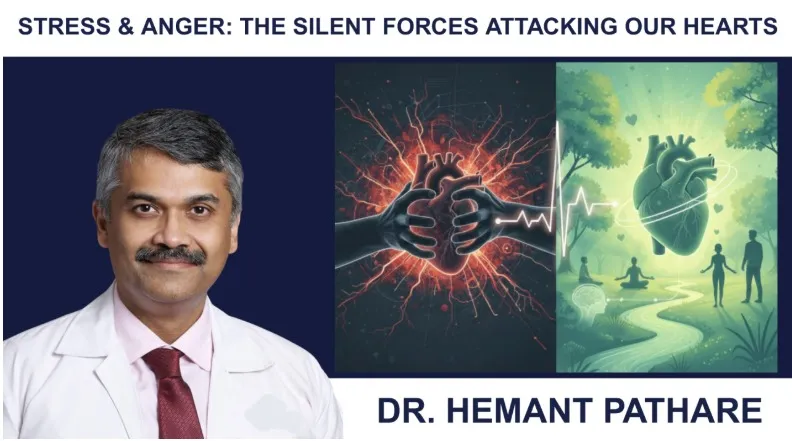
One of the most overlooked yet powerful contributors to heart attacks is chronic stress and unmanaged anger—silent forces that work relentlessly in the background, often years before a clinical event occurs.
Beyond Numbers: Understanding the Human Heart
Blood pressure readings, cholesterol values, and imaging studies provide critical data, but they do not reflect the emotional burden many patients carry silently every day. Persistent stress and frequent anger place continuous strain on the cardiovascular system, accelerating disease progression long before symptoms appear.
From an ethical standpoint, ignoring emotional factors means overlooking a fundamental dimension of patient wellness.
How Stress & Anger Affect Your Heart: The Science Behind the Emotion
The Hormonal Surge
Intense stress and anger trigger the release of stress hormones such as adrenaline and noradrenaline—which have immediate and long-term effects on the heart:
• Increased heart rate and blood pressure
• Promotion of plaque formation in arteries
• Sustained activation of the sympathetic nervous system
Vessel Restriction & Oxygen Deprivation
Stress hormones constrict blood vessels, making it harder for the heart to pump blood efficiently. This reduces oxygen supply to vital organs and forces the heart to work harder under pressure.
Clot Formation & Plaque Rupture
Anger increases arterial inflammation and raises the risk of plaque rupture, significantly increasing the likelihood of clot formation—often the direct trigger for heart attacks and strokes.
Electrical Disruption of the Heart
Strong emotional surges can interfere with the heart’s electrical signals, leading to dangerous rhythm disturbances (arrhythmias).
Long-Term Vascular Damage
Chronic anger impairs the blood vessels’ ability to dilate properly, a precursor to sustained vascular injury and long-term cardiovascular disease.
Anger: A Measurable Clinical Risk Factor
Anger is not just an emotional response—it is a quantifiable cardiovascular risk factor. Research shows that intense anger significantly increases the risk of a heart attack in the hours following an outburst, especially in individuals with existing coronary artery disease or other comorbidities.
From an ethical and clinical perspective, this places a clear responsibility on healthcare providers to identify, educate, and guide patients regarding emotional triggers—not only physical ones.
Recognizing the Correlation: When Emotions Signal Danger
Certain emotional and physical warning signs should never be ignored:
• Sudden grief or emotional shock—even positive excitement—can acutely strain the heart
• Chest pain, shortness of breath, sweating, and rapid heartbeat during intense emotional episodes may indicate an ongoing cardiac event
Heart attacks are rarely random. They are often preceded by years of emotional overload.
CTVS Ethics & Preventive Responsibility
The ethical foundations of Cardiothoracic and Vascular Surgery emphasize:
• Prevention alongside intervention
• Patient education as a form of care
• Long-term wellness over short-term procedural success
A technically perfect surgery loses its true value if we fail to address the lifestyle and emotional factors that brought the patient to the operating table in the first place.
Managing Anger & Stress to Protect Your Heart
Managing emotional health is as vital as controlling cholesterol or blood pressure. Effective strategies include:
Immediate & Daily Practices
• Take Time-Out: Step away from heated situations, count to 100, or take a brief walk to calm the nervous system
• Practice Relaxation: Deep breathing, meditation, yoga, and mindfulness training help reset stress responses
Communication & Emotional Expression
• Communicate Assertively: Express emotions without shouting, threats, or suppression. Constructive expression of anger is healthier than rumination or denial
Addressing Chronic Anger
• Frequent, unresolved anger poses a far greater cardiovascular risk than occasional emotional outbursts
Lifestyle Interventions
• Regular physical activity
• Heart-healthy diet
• Adequate sleep
• Avoiding smoking and excessive alcohol consumption
These habits strengthen cardiovascular resilience and reduce vulnerability to stress.
Seeking Professional Support
• Consult psychologists for anger-management therapy or support groups
• Talk openly about worries with friends, family, or healthcare providers
• Avoid self-medicating with alcohol or pills
A Call for Holistic Cardiac Care
Understanding and managing the physiological impact of stress and anger allows us to take proactive steps to reduce the risk of heart attacks and other serious health conditions.
Heart attacks are not always sudden—they are often the final outcome of years of silent emotional overload.
As healthcare professionals, our ethical duty is not only to save lives in critical moments, but to protect them through comprehensive, compassionate, and preventive care.
Patient wellness truly begins when we treat the heart and the mind as one.
