High blood pressure, or hypertension, is often referred to as the silent killer — not because it shows dramatic symptoms, but because it quietly harms the heart and blood vessels for years before a person notices anything unusual. In preventive cardiac care, identifying and managing hypertension early is one of the strongest protective strategies against heart attacks, strokes, kidney disease, and long-term cardiovascular complications.
What High Blood Pressure Really Means
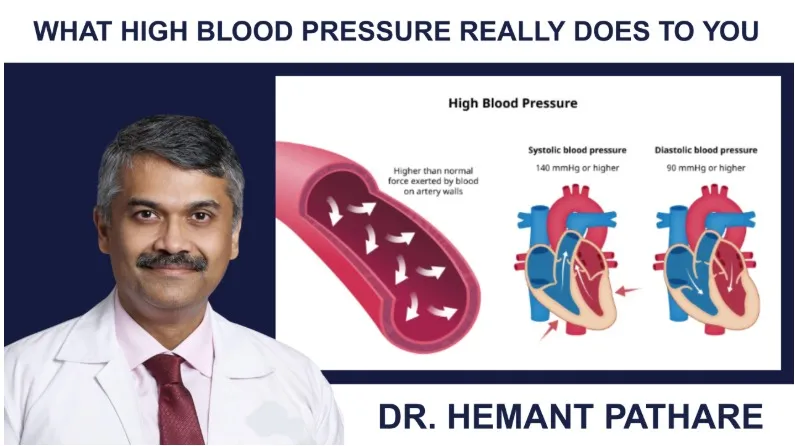
Blood pressure naturally fluctuates throughout the day based on activity, stress, sleep, and hormones. Issues begin when these levels stay consistently elevated, putting continuous strain on the arteries.
When the pressure inside the arteries is high for long periods:
- The heart must pump harder to circulate blood.
- Arteries become damaged, stiff, or narrow.
- Oxygen delivery to vital organs decreases.
Over time, this results in systolic or diastolic dysfunction, reduced heart efficiency, and vascular injury.
The Hidden Impact of Long-Term Hypertension
Chronic hypertension does much more than raise numbers on a machine — it causes structural and functional changes across the body:
- Arterial stiffening: Loss of elasticity makes arteries less responsive and more prone to injury.
- Accelerated plaque build-up: High pressure damages the inner arterial lining, allowing cholesterol and fat to stick more easily.
- Increased heart workload: The heart becomes overworked, grows thicker, and eventually weakens.
- Higher risk of clots and blockages: Damaged arteries promote clot formation, raising the risk of heart attacks and strokes.
- Organ impact: Reduced blood flow affects the kidneys, brain, eyes, and peripheral circulation.
How Hypertension Damages the Heart
1. Thickening of the Heart Muscle
The left ventricle — responsible for pumping oxygenated blood to the entire body — responds to constant high pressure by getting thicker. This condition, Left Ventricular Hypertrophy (LVH):
- Reduces pumping efficiency
- Increases oxygen demand
- Can progress to heart failure if untreated
2. Damage to the Arteries
High pressure injures the delicate endothelial lining of arteries. Once damaged, it becomes an ideal surface for plaque to form, leading to coronary artery disease, reduced blood flow, and increased risk of heart events.
3. Higher Risk of Heart Attack & Stroke
With narrowing of arteries and greater plaque buildup, hypertension becomes a major driver of:
- Heart attacks
- Ischemic strokes (cloths caused by damaged internal lining of arteries
- Hemorrhagic strokes (when the vessels burst due to excessively high blood pressure)
4. Gradual Weakening of the Heart
A heart battling constant high pressure becomes fatigued over time. This results in:
- Shortness of breath
- Swelling in legs and feet
- Reduced exercise tolerance
- Chronic heart failure
Daily Habits That Worsen Hypertension
Several routine habits quietly push blood pressure higher:
❌ High salt intake from snacks, packaged foods, and restaurant meals
❌ Prolonged sitting and lack of physical activity
❌ Sleep deprivation, which elevates stress hormones
❌ High stress, causing frequent BP spikes
❌ Smoking and alcohol, both of which damage arteries and raise BP
These small daily actions accumulate into long-term cardiovascular strain.
Heart-Healthy Habits That Help Reduce Blood Pressure
Preventive care is most powerful when practiced through consistent, manageable habits.
✔ Daily walking (20–30 minutes) Simple movement improves circulation, lowers stress, and reduces BP naturally.
✔ Mindful salt reduction & potassium-rich foods Coconut water, bananas, leafy greens, lentils, tomatoes, and fresh fruits help maintain healthy electrolyte balance.
✔ Moderate caffeine and alcohol Avoiding excess reduces BP fluctuations and keeps the cardiovascular system stable.
✔ Stress management through deep breathing Even 5 minutes of slow breathing, meditation, or mindfulness reduces cortisol and blood pressure levels.
✔ Routine blood pressure monitoring A 1-minute check can offer life-saving insights and identify early changes before symptoms appear.