
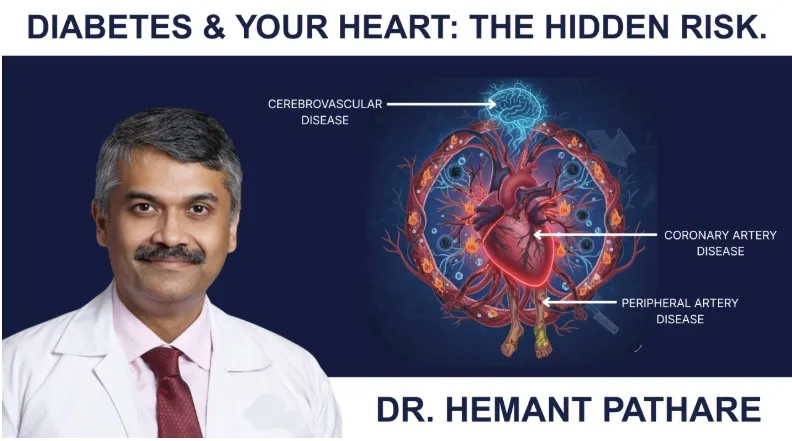
Diabetes doesn’t just affect blood sugar—it quietly damages the heart and blood vessels, making heart disease, stroke, and heart failure far more likely. High glucose, high blood pressure, cholesterol imbalance, and obesity together form a dangerous mix for the heart. But the good news is that with proper sugar control, healthy habits, and regular checkups, these risks can be managed. This edition explores how diabetes impacts the heart, the complications it causes, and modern ways to prevent and treat them—because protecting your heart starts with managing your sugar.
💙 How Diabetes Eventually Leads to Cardiovascular Disease
Diabetes doesn’t just affect blood sugar—it slowly harms the blood vessels and nerves that control your heart. When blood sugar stays high for too long, it causes inflammation and damages the arteries, making them stiff and narrow. This process, called atherosclerosis, increases the chances of heart attacks and strokes.
Other risk factors like high blood pressure, high cholesterol, and obesity add to the problem. These conditions work together, putting constant stress on the heart. Over time, diabetes can also cause direct damage to the heart muscle itself, a condition known as diabetic cardiomyopathy, leading to heart failure.
❤️ Types of Cardiovascular Disease Linked to Diabetes
People with diabetes are more likely to face several types of heart and blood vessel diseases:
- Coronary Artery Disease: The arteries that supply blood to your heart get blocked or narrowed, causing chest pain (angina) or heart attacks.
- Cerebrovascular Disease: Diabetes can affect the blood supply to the brain, increasing the risk of stroke.
- Peripheral Artery Disease: Poor circulation in the legs and feet can cause pain, wounds that don’t heal, and in severe cases, amputation.
These conditions develop silently over time—often without clear warning signs—making regular heart checkups essential.
🩺 Managing the Risk
While the risks are serious, the good news is that heart disease in diabetes is preventable. Small lifestyle changes can make a big difference:
- Control Blood Sugar: Keep your average sugar (HbA1C) below 7%.
- Watch Blood Pressure: Regularly check and manage it through diet, exercise, and medication if needed.
- Monitor Cholesterol: Keep your HDL high and LDL low with healthy eating.
- Maintain Healthy Weight: Losing even a few kilos reduces strain on your heart.
- Quit Smoking: Smoking greatly increases heart disease risk.
- Be Active: Aim for 30 minutes of physical activity most days.
- Regular Checkups: Don’t skip doctor visits—early detection saves lives.
⚙️ Postoperative Complications in Diabetic Patients
For diabetic patients who need heart bypass surgery (CABG), there are added challenges. High blood sugar can delay wound healing and raise the risk of infection. These patients are also more likely to face kidney problems, strokes, or lung issues after surgery. The recovery period can be longer, and hospital stays may increase due to slower healing.
However, careful blood sugar control before and after surgery can greatly reduce these complications and improve recovery outcomes.
🧠 How to Get Around the Problems in CABG Surgery for Diabetic Patients
Despite these risks, advanced surgical techniques have made heart bypass surgery safer for people with diabetes.
Many heart specialists including me now perform off-pump bypass surgery (OPCAB), which avoids using the heart-lung machine and helps patients recover faster. Smaller incisions and skeletonized artery grafts are also used to reduce damage to the chest wall and improve healing.
Even for patients with weak heart function, surgeons can plan customized approaches using a mix of artery and vein grafts, ensuring the best possible outcomes.