🏃♂️❤️ Are Fitness Trends Really Heart Healthy?
In an era driven by rapid transformations and visible results, fitness trends have become increasingly aggressive—often prioritizing aesthetics over physiology. 📱💪 Social media, influencer culture, and the commercialization of wellness have amplified the appeal of quick, dramatic outcomes, encouraging individuals to adopt intense workout regimens, restrictive diets, and performance-enhancing supplements without fully understanding their physiological impact.
While regular exercise and mindful nutrition remain the cornerstones of cardiovascular health, extreme adaptations of these principles can place unintended stress on the heart. 🫀 The cardiovascular system is designed to respond positively to gradual, consistent conditioning—not abrupt, excessive demands. When intensity outpaces the body’s ability to adapt, it can disrupt the delicate balance between exertion and recovery that is essential for optimal cardiac function.
From a clinical perspective, there is a growing recognition that “more” is not always synonymous with “better.” ⚠️ Increasingly, healthcare professionals are encountering individuals who, despite being physically active, present with symptoms linked to overexertion, nutritional imbalance, or unregulated supplement use. These cases challenge the traditional perception that only sedentary lifestyles contribute to heart disease, highlighting instead that extremes at either end of the spectrum can be detrimental.
This evolving landscape underscores an important shift in understanding: cardiovascular risk is no longer defined solely by inactivity, but also by imbalance. True heart health lies not in chasing trends, but in adopting a sustainable, evidence-based approach that respects the body’s limits while promoting long-term resilience. 🌿🩺
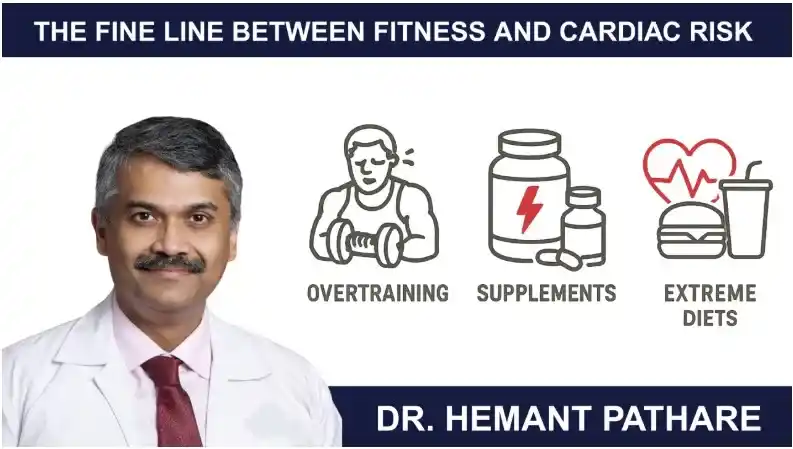
1️⃣ Overtraining: When More Becomes Harmful
Physical activity is universally recommended for cardiovascular protection; however, excessive and unregulated training can push the body into a state of chronic physiological stress. 🏋️♂️⚡ Overtraining syndrome is characterized not just by fatigue, but by a systemic imbalance affecting the autonomic nervous system.
When the body is not given adequate time to recover, there is sustained activation of the sympathetic nervous system, leading to persistently elevated heart rate and blood pressure. 📈 Over time, this can contribute to structural and electrical changes in the heart, including:
• Increased risk of atrial fibrillation and other arrhythmias ❤️🩹
• Myocardial strain due to prolonged high cardiac output demands
• Reduced heart rate variability, indicating poor cardiac adaptability
Additionally, chronically elevated cortisol levels may promote inflammation, impair vascular function, and negatively impact lipid metabolism. For individuals engaging in high-intensity interval training (HIIT) or endurance sports without structured recovery, the line between conditioning and cardiac strain can become dangerously thin. ⚠️
A well-designed fitness regimen must incorporate rest days, recovery, and individualized intensity levels to ensure the heart benefits rather than suffers from exercise. 🧘♂️💤
2️⃣ Supplements: Not Always a Safe Shortcut
The global surge in supplement use reflects a desire for accelerated results—but this often comes at the cost of safety. 💊 Many over-the-counter fitness supplements are not subject to stringent regulatory oversight, and their formulations may include potent stimulants, vasodilators, or unverified compounds.
Common concerns include:
• Stimulant overload (high caffeine or synephrine content), which can precipitate tachycardia, hypertension, and palpitations ☕⚠️
• Unlabeled ingredients, increasing the risk of unexpected cardiovascular effects
• Drug-supplement interactions, particularly in patients on cardiac medications 💉
From a cardiothoracic standpoint, even seemingly benign supplements can alter electrophysiological stability, increasing susceptibility to arrhythmias. In some cases, excessive protein supplementation may also place indirect stress on renal function, which in turn affects blood pressure regulation.
Patients often underestimate these risks due to aggressive marketing and peer influence. Clinical guidance should always precede supplement use, particularly in individuals with known or suspected cardiovascular conditions. 👨⚕️🩺
3️⃣ Extreme Diets: The Hidden Cardiac Impact
Dietary trends that advocate severe restriction or elimination of entire macronutrient groups can disrupt the delicate metabolic balance essential for cardiac function. 🥗⚖️ While short-term weight loss may be achieved, the long-term cardiovascular implications are often overlooked.
Key concerns include:
• Electrolyte imbalances affecting normal cardiac rhythm ⚡
• Reduced glycogen availability leading to increased cardiac workload 🏃♂️
• Micronutrient deficiencies impacting vascular integrity and myocardial function 🍎
For instance, extremely low-carbohydrate or ketogenic diets, if not medically supervised, may lead to dehydration and electrolyte shifts, increasing the risk of arrhythmias. Similarly, crash diets can trigger rapid metabolic fluctuations, potentially affecting blood pressure and heart rate stability.
The heart is a metabolically active organ that depends on a consistent and balanced nutrient supply. Sustainable dietary practices—rich in whole foods, healthy fats, lean proteins, and complex carbohydrates—are far more supportive of long-term cardiovascular health than restrictive, short-term regimens. 🥑🥦🍞
4️⃣ The Need for a Balanced, Evidence-Based Approach
In contrast to trend-driven extremes, cardiovascular health is best supported by a steady, evidence-based approach. 📚❤️ Decades of clinical research emphasize the importance of moderation, consistency, and personalization.
An optimal strategy includes:
✔️ Regular, moderate-intensity exercise
✔️ Strength training with adequate recovery
✔️ Balanced nutrition with sufficient macro- and micronutrients
✔️ Routine medical evaluation before high-intensity fitness programs 🩺
Importantly, fitness should not be approached as a one-size-fits-all model. Age, pre-existing conditions, genetics, and lifestyle factors all influence how the heart responds to physical and dietary stressors.
The role of medical professionals is not only to treat cardiac conditions but also to guide preventive strategies—helping individuals make informed, safe, and sustainable lifestyle choices. 🌱
🔍 Closing Thought
In the pursuit of fitness, intensity often takes precedence over insight. Yet the human heart does not equate excess with excellence.
The heart thrives on rhythm, balance, gradual progression, and recovery—not relentless extremes. Ignoring warning signs such as fatigue, breathlessness, persistent soreness, or irregular heartbeats can place unnecessary strain on the cardiovascular system. 🚨
True fitness is not defined by rapid physical transformations or short-term milestones. It is reflected in sustained energy levels, stable cardiovascular function, and the ability to maintain an active lifestyle over years—not weeks. 🌿✨
A mindful, medically informed approach ensures that fitness goals align with individual health status and physiological limits. Regular health evaluations, informed nutritional choices, and professional guidance can significantly reduce risks while maximizing benefits. 👨⚕️❤️
Ultimately, protecting and strengthening the heart is not about doing more—it is about doing what is right, consistently and consciously. 💙
#HeartHealth #Fitness #CardiovascularHealth #HealthyLifestyle #PreventiveHealthcare #Wellness #Exercise #Nutrition #MedicalAwareness #HealthEducation #FitnessTrends #Healthcare #HealthyLiving #Cardiology