📌 Introduction: A Disturbing Shift in Cardiac Health
For decades, cardiovascular disease was largely considered a condition associated with older age—something to worry about later in life.
However, clinical trends and real-world cases are now telling a very different story.
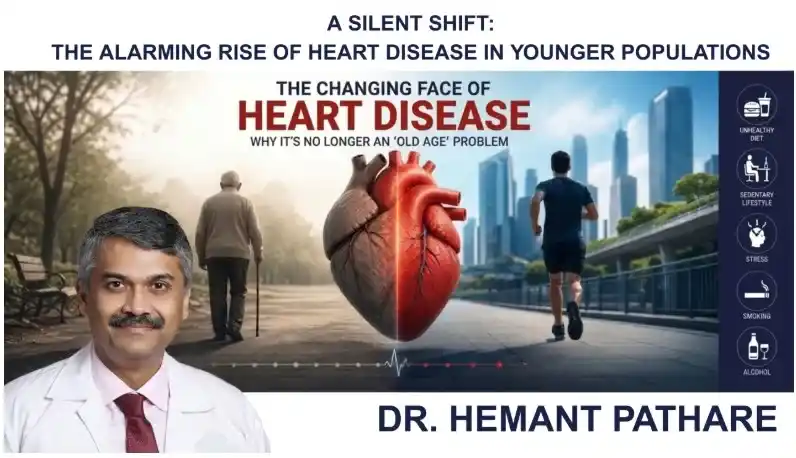
Increasingly, individuals in their 30s and 40s—and sometimes even younger—are presenting with serious cardiac events such as:
- Heart attacks
- Arrhythmias
- Advanced coronary artery disease
As a cardiothoracic surgeon, this shift is not merely statistical—it is deeply visible in everyday practice. The operating room is witnessing a demographic change that demands urgent attention.
📈 The Rise in Early Cardiac Events
Recent years have shown a noticeable rise in early-onset cardiovascular conditions. Younger patients are now requiring interventions such as:
- Angioplasty
- Bypass surgeries
- Advanced cardiac procedures
Treatments once largely associated with older populations are increasingly becoming common among younger adults.
What is particularly concerning is not just the occurrence—but the severity. Many young patients present late, often unaware of underlying risk factors, leading to more complex clinical situations.
🔍 Understanding the Contributing Factors
1. Sedentary Lifestyle
Modern work culture, especially among urban professionals, involves prolonged sitting, minimal physical activity, and excessive screen time. Lack of movement significantly impacts cardiovascular health.
2. Poor Dietary Habits
Increased consumption of processed foods, high sugar intake, unhealthy fats, and irregular eating patterns contribute to:
- Obesity
- Hypertension
- Lipid imbalances
3. Chronic Stress
High-pressure environments, job insecurity, and lifestyle demands have made stress a constant companion. Chronic stress elevates cortisol levels, which adversely affects heart health over time.
4. Smoking and Alcohol Use
Tobacco use remains prevalent among younger individuals despite widespread awareness. Combined with rising alcohol consumption, it significantly increases cardiac risk.
5. Undiagnosed Conditions
Hypertension, diabetes, and high cholesterol are increasingly being diagnosed late—or not at all—in younger populations, allowing silent damage to progress unchecked.
6. Genetic Predisposition
Family history continues to play a crucial role. However, when combined with poor lifestyle choices, genetic risk is often amplified.
🩺 Why Early Detection Is Critical
One of the biggest challenges in younger patients is the lack of routine health screening. Unlike older adults, younger individuals are less likely to undergo regular check-ups, leading to missed warning signs.
Preventive cardiology must become a priority—not just a recommendation.
- Simple screenings
- Lifestyle assessments
- Timely intervention
…can significantly reduce the risk of severe cardiac events.
🌿 The Role of Awareness and Lifestyle Modification
Addressing this shift requires a proactive and informed approach:
- Encouraging regular physical activity
- Promoting balanced, heart-healthy diets
- Managing stress through mindfulness and structured routines
- Routine health screenings starting earlier in life
- Avoiding tobacco and moderating alcohol consumption
The goal is not just treatment—but prevention.
👨⚕️ A Surgeon’s Perspective
From a surgical standpoint, operating on younger patients brings both urgency and responsibility. These are individuals in the most productive years of their lives—with families, careers, and long futures ahead.
While advancements in surgical techniques and technology have improved outcomes, the need for such interventions at a young age should concern us all.
❤️ Closing Thought
Heart disease is no longer a distant concern reserved for later years—it is a present reality affecting younger lives with increasing frequency.
The shift we are witnessing is not inevitable; it is largely preventable.
The heart does not measure age—it responds to how we live.
Recognizing this early and acting on it decisively is the most powerful step toward safeguarding not just longevity, but quality of life.