Cholesterol remains one of the most commonly discussed topics in cardiovascular health, yet it continues to be surrounded by confusion. In preventive cardiac care, the emphasis is not on eliminating cholesterol but on understanding how different forms function within the body and how their balance influences long-term heart health.
Cholesterol: Essential, but Dependent on Balance
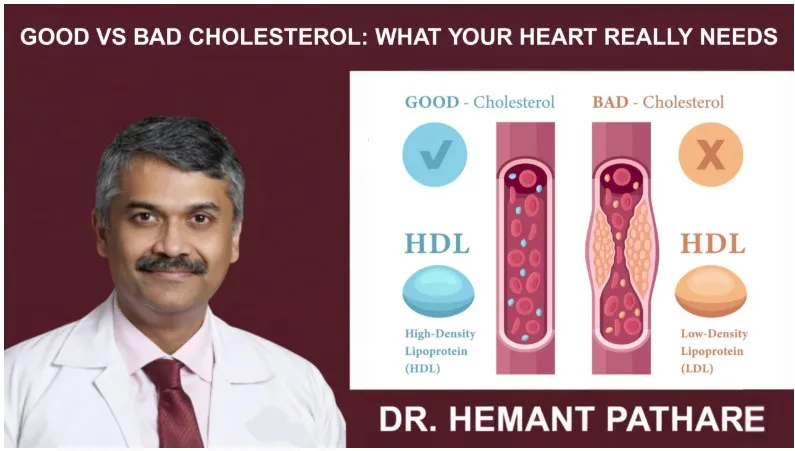
Cholesterol plays a vital role in human biology. It supports hormone production, cellular integrity, and vitamin D synthesis. The challenge arises because cholesterol does not travel freely; it circulates through lipoproteins — some beneficial, others harmful when elevated.
The primary types include:
- HDL (High-Density Lipoprotein)– commonly referred to asgood cholesterol
- LDL (Low-Density Lipoprotein) – known asbad cholesterol
- VLDL (Very Low-Density Lipoprotein)– another form ofbad cholesterol
A clear understanding of these categories forms the basis of preventive cardiology.
HDL: The Beneficial Cholesterol That Protects the Heart
HDL acts as the body’s internal transport system, removing excess cholesterol from the arteries and returning it to the liver for processing. This function plays a significant role in maintaining arterial health.
Key Benefits of HDL
- Clears cholesterol buildup from arterial walls
- Helps reduce vascular inflammation
- Slows or prevents plaque development
- Lowers lifetime risk of heart attacks and strokes
Higher HDL levels are closely associated with improved cardiovascular resilience.
LDL: The Harmful Cholesterol That Requires Management
LDL delivers cholesterol to various tissues. While this is necessary, elevated LDL levels lead to cholesterol deposition in the arterial lining. Over time, this process contributes to plaque formation and the development of atherosclerosis.
Why Elevated LDL Is Dangerous
- Narrows and restricts blood flow
- Increases the risk of blood clot formation
- Heightens the likelihood of heart attacks and strokes
- Reduces arterial elasticity
Early and consistent LDL management is one of the most effective strategies for preventing long-term cardiovascular disease.
VLDL: Another Contributor to Cardiovascular Risk
Produced by the liver, VLDL primarily transports triglycerides — a type of fat — throughout the bloodstream. When VLDL levels are high, triglyceride delivery increases, contributing to arterial plaque buildup.
- Optimal VLDL level: Below 30 mg/dL
- VLDL is considered harmful because it eventually converts into LDL, compounding cardiovascular risk.
Ways to Reduce VLDL and Triglycerides
- Healthy Nutrition: Emphasize whole foods, limit refined sugars and excess carbohydrates,and include lean proteins and healthy fats.
- Regular Activity: Exercise plays a critical role in lowering triglycerides.
- Weight Control: Maintaining a healthy weight directly contributes to lower VLDL levels.
How VLDL Is Assessed
VLDL is generally not measured directly. Instead, it is estimated through triglyceride values reported in a standard lipid profile.
Triglycerides: A Frequently Overlooked Component of Heart Health
Triglycerides are another important blood fat that influence cardiovascular risk. High triglycerides — especially when paired with high LDL or low HDL — dramatically increase the likelihood of heart disease.
Common contributors include:
- High consumption of refined carbohydrates
- Lack of physical activity
- Insulin resistance
- Excessive alcohol intake
- Chronic stress
Because of these associations, monitoring triglyceride levels is as critical as assessing LDL and HDL.
Apolipoprotein B (ApoB): A Key Indicator of Cardiovascular Risk
ApoB is the primary structural protein found on lipoproteins such as LDL, VLDL, and Lp(a). Since each particle of “bad” cholesterol contains one ApoB molecule, ApoB levels serve as a direct measure of the number of atherogenic particles in circulation.
Functions and Significance of ApoB
- Essential for the formation and transport of lipoproteins
- Strong predictor of cardiovascular risk due to its presence on all harmful particles
- Directly linked to plaque buildup and progression of atherosclerosis
- Useful for tracking response to cholesterol-lowering therapy, including statins
Normal Range
A healthy ApoB level is typically below 130 mg/dL, with some clinical guidelines recommending below 90 mg/dL for optimal protection.
Maintaining a Heart-Healthy Cholesterol Balance
Cholesterol levels respond favorably to consistent and sustainable lifestyle choices. Preventive cardiac care focuses on long-term patterns rather than short-term interventions.
Evidence-Based Practices
✔ Choose healthier fats: Include olive oil, nuts, seeds, and fatty fish to support HDL levels and reduce LDL-related risks.
✔ Limit processed and fried foods: Trans fats and excessive saturated fats raise LDL significantly.
✔ Increase dietary fiber: Foods like oats, fruits, vegetables, and legumes naturally help reduce LDL.
✔ Prioritize regular physical activity: Exercise improves HDL and supports vascular health.
✔ Manage stress effectively: Stress impacts cholesterol, blood pressure, and inflammatory markers.
✔ Schedule routine screenings: A lipid profile allows early detection and timely prevention.
Conclusion: Prevention Begins Long Before Symptoms
Cholesterol itself is not inherently harmful — imbalance is.
Recognizing the distinction between good and bad cholesterol, and taking proactive steps tomaintain healthy levels, remains one of the most powerful ways to preserve heart health.
Preventive cardiac care emphasizes awareness, consistency, and informed choices. The decisions made today influence the heart’s resilience long before symptoms ever appear.